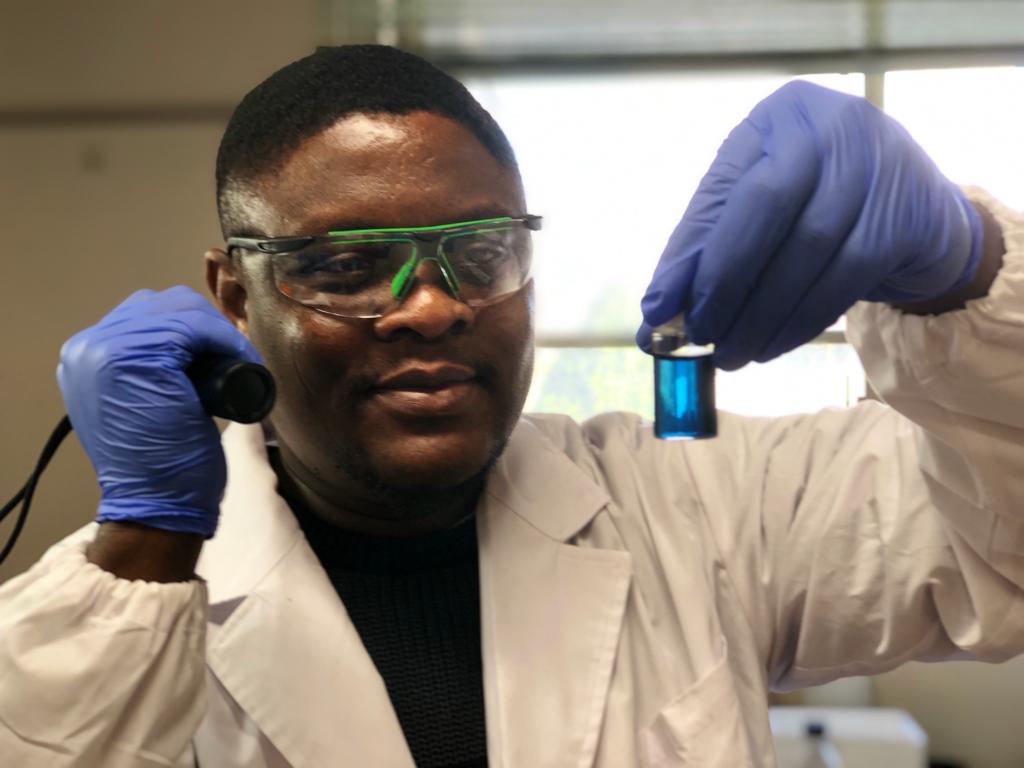
A groundbreaking international research initiative led by Dr. Ojodomo Achadu at Teesside University is advancing the development of solar-powered water purification technologies. This pioneering innovation is strategically positioned to revolutionize access to safe drinking water across developing regions globally.
Operating in close collaboration with premier research experts from South Africa and the Democratic Republic of Congo (DRC), the multi-institutional project delivers a direct, scalable response to the global crisis of clean water access and sanitation. The initiative aims to enhance health, well-being, and overall quality of life for millions of citizens across sub-Saharan Africa.
The Scale of the Global Challenge
Access to clean water remains a core pillar of the United Nations’ Sustainable Development Goals (SDGs). Despite this mandate, billions of individuals worldwide continue to confront severe water scarcity and localized environmental pollution. Data from the World Meteorological Association indicates that up to five billion people may face inadequate access to clean water by the year 2050.
While abundant natural water resources exist across many African countries, structural gaps often lead to the consumption of contaminated water, causing severe adverse impacts on community health and regional development. Engineering high-efficiency, innovative technologies to address these pressing sanitation challenges is an objective of vital global importance.
Advanced Nanomaterial Engineering and Strategic Funding
Supported by a prestigious £300,000 grant from the UK Royal Society’s International Science Partnerships Fund and highlighted globally via the BBC, the project utilizes state-of-the-art nanotechnology to address complex purification workflows.
The technology leverages advanced nanomaterials-microscopic particles engineered to target, bind, and eliminate diverse environmental contaminants and pathogens in a single processing step.
To guarantee absolute safety, the system integrates an automated, follow-up detection block that monitors and verifies the complete removal of pathogens before distribution. By leveraging free, abundant solar energy alongside optimized nanomaterial mechanics, the system bypasses the need for conventional, resource-heavy electrical grid infrastructure. This affordability directly benefits isolated, rural, and off-grid communities.
Regional Case Studies and Environmental Remediation
The practical implications of this decentralized framework are vast, offering resilient mitigation strategies against pollution and accelerated climate change factors:
- The Niger Delta Region: The technology is capable of treating and restoring water supplies severely degraded by persistent oil pollution and industrial runoff.
- Flood-Impacted & Mining Zones: The robust nanomaterial filters are specifically engineered to extract heavy metals and toxic sediment resulting from regional flooding and mining operations.
Empirical Milestones & Institutional Vision
The research stands as a pivotal milestone in the practical translation of advanced molecular science and nanotechnology into scalable, real-world infrastructure. By focusing on a user-friendly, low-maintenance field design, the NanoSolar-PureWater Project aims to directly empower local communities, providing a reliable baseline for sustainable economic development and public health security throughout Africa and beyond.