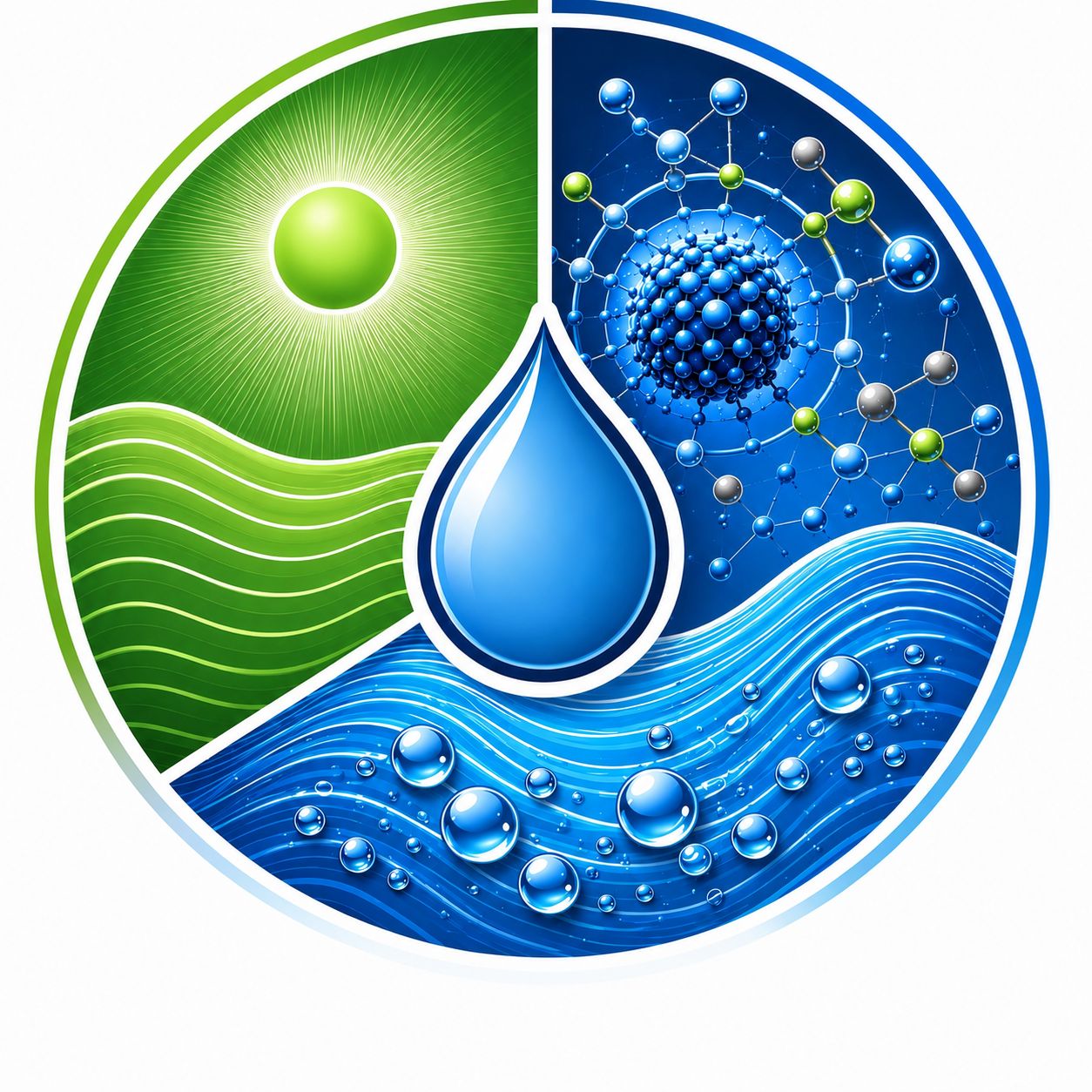
AI in Water Quality:
Assessment • Prediction • Management
From No-Code to AI-Assisted Research. Learn practical AI techniques to evaluate, forecast, and manage water quality for a cleaner, healthier, and sustainable future.
Duration
6 Live Sessions
Prerequisite
No-Code to Low-Code
Target Audience
Scientists & Researchers
Final Project
Real-World Capstone
General Training Outline
A comprehensive framework designed to take researchers from raw data collection to automated AI decision-making systems.
1. ASSESS
Evaluate water quality metrics from real-world environmental data using AI.
2. PREDICT
Forecast contaminants, trends, and water quality indices (WQI).
3. MANAGE
Support strategic decision-making and optimize water resource management.
4. AUTOMATE
Build smart workflows and real-time early warning monitoring systems.
5. IMPACT
Deliver data-driven solutions for cleaner water and sustainable futures.
Weekly Curriculum & Resources
Introduction to water quality parameters, environmental data structures, and navigating no-code AI tools for rapid exploratory assessment.
Classification, Regression, and Clustering using LazyPredict and Scikit-Learn to evaluate water potability and predict water quality metrics from real-world datasets.
Building neural network architectures, tracking loss across epochs, and comparing neural network detection accuracy against Random Forest models while navigating decision explainability trade-offs.
Transitioning from engineer to scientist using Generative AI. Mastering the RCTAF prompting framework for Claude and leveraging NotebookLM for source-grounded literature synthesis and gap identification[cite: 50, 51, 62].
Collaborating Institutions & Partners